From Arwad to Cairo to Berlin to Damascus
The Journey
Born 1953 on Arwad Island, Tartus, Syria
Chapter II · Cairo
1980 — 2002
The Tear That Became a Birth Certificate
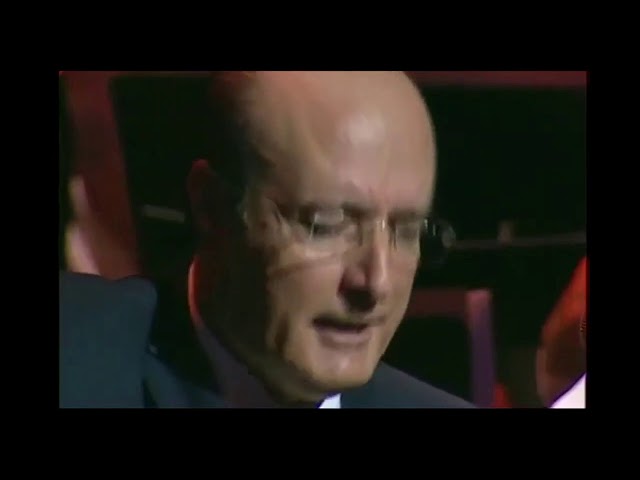
In the early 1980s he met Mohamed Abdel Wahab in Chtaura, Lebanon, and sang "Al-Hawa Wal-Shabab" and "Ya Law'ati Wa Shaqaya" before him.
A tear fell from Abdel Wahab's eye. He said: "A beautiful voice that reminds me of my youth." Bahlawan considered that tear his artistic birth certificate.
In 1998 he began his series of concerts at the Egyptian Opera House as part of the Arab Music Festival; critics wrote that he received a welcome no other Arab artist had ever been given in the capital of Arab art. In 2002 he performed the Abdel Wahab centenary celebration, and was invited back to present it every year thereafter.
Reviving Abdel Wahab's legacy is a great responsibility. His melodies dominated me and my own compositions. Presenting his biography wouldn't be difficult — I feel it is the story of my own life.
Chapter III · Berlin
1987
The Captain and the Storm
He studied at the Arab Music Institute in Cairo, then in Germany under the composer Henrik Fendsh — opera, harmony, orchestration. He became one of the very few Arab musicians holding full command of both the Eastern and Western traditions.
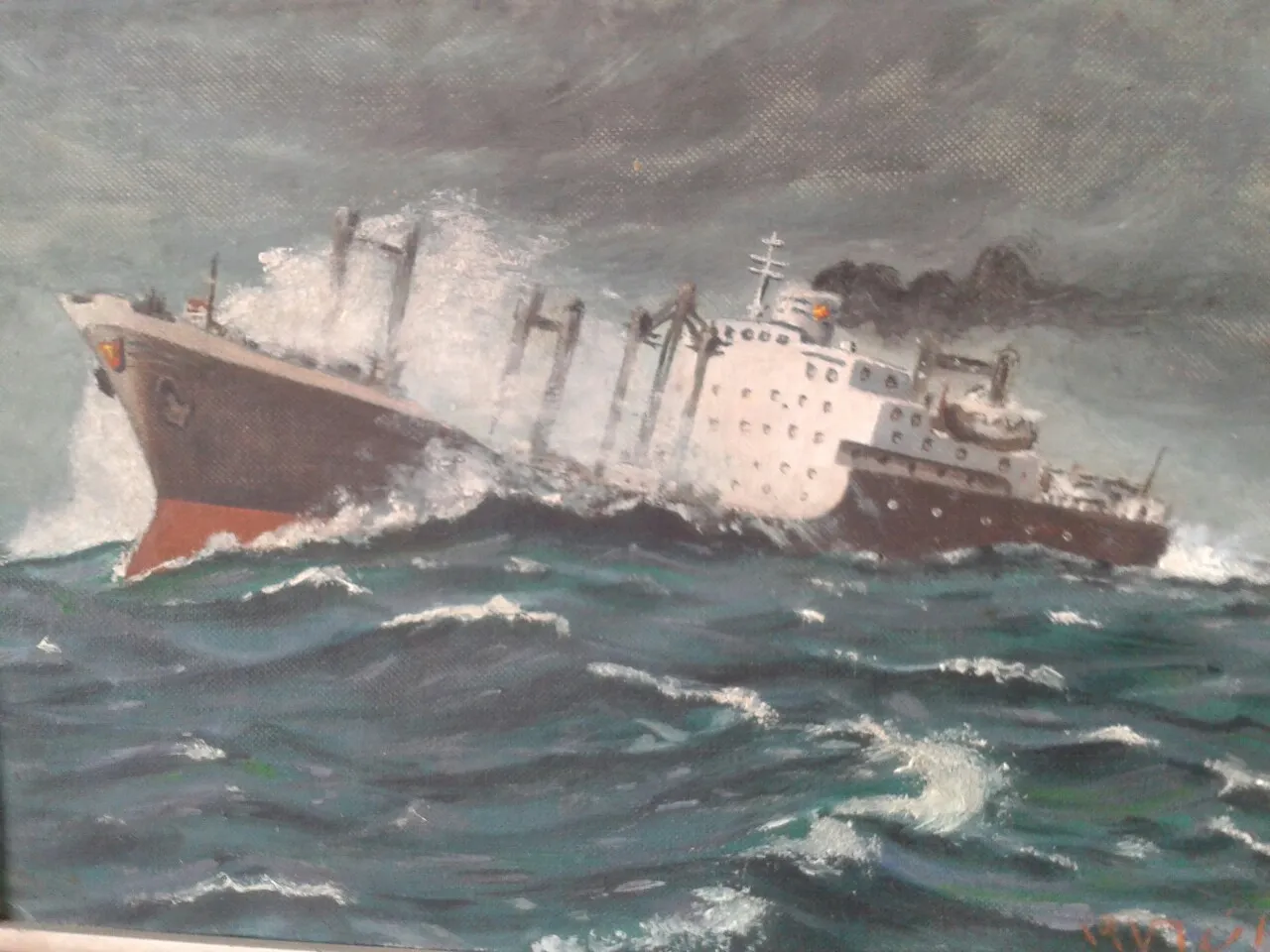
In 1987 he wrote the Symphony of the Captain and the Storm. The Berlin Symphony Orchestra performed it and took it into their permanent winter programme; it went on to be played in Cairo.
The shipbuilder's son wrote a symphony about a captain facing a storm. The island he had left was still writing for him.
Rarely do you find one who masters both traditions together. I began deeply Eastern, then placed my Western knowledge in service of Eastern music, blending them so neither dominates the other.
Chapter IV · Recognition
1984 — 2021
The Rare Coin
In 1984 he was awarded "Best Arab Voice" at the Carthage Festival in Tunisia. In 1995 he received the Damascus Sword Medal, and he was given the Golden Key of Alexandria at the Mediterranean Song Festival.
The Arab press nicknamed him "the rare coin" and "pure gold." In an article titled "In Memory of Abdel Wahab," France's Le Monde named Safwan Bahlawan and described him as "the Abdel Wahab of Syria."
From Muscat to Rabat to Kuwait, from the Library of Alexandria to the Grand Theater in Cairo — the echo of a very small island carried from the Atlantic to the Gulf.
He distills the alphabet of the sea and the hymns of the sun into orchestral melodies that trace life's very pulse.
Chapter V · Damascus
2024
Thirty-Seven Years Later
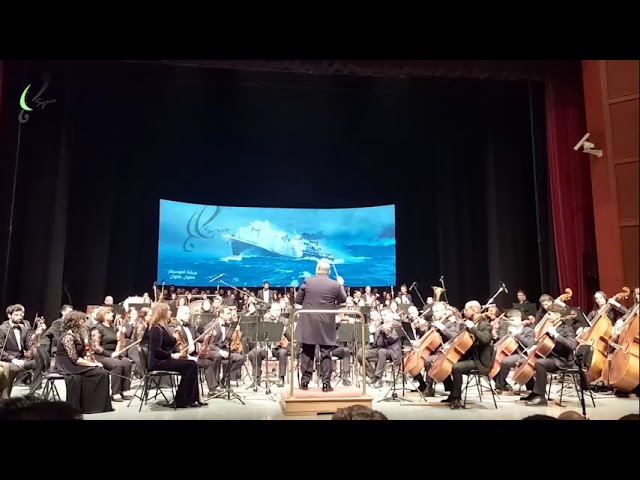
On 28 November 2024 the Symphony of the Captain and the Storm was performed in Syria for the first time — thirty-seven years after it was written — by the Syrian National Symphony Orchestra under Maestro Misak Baghboudarian. Bahlawan called it "a legendary concert."
Days later, the Assad regime fell. He then released "Land of Jasmine" — the poem he had set to music in secret in 2015 and kept hidden for nine years. He had written and composed "The Syrian People Are One" fourteen years before the fall.
He wrote: "I was certain this day would come, and I had composed this poem so I could release it on this day."
Music is the mirror of peoples — the measure of nations' advancement and the civilizational indicator of peoples' progress.
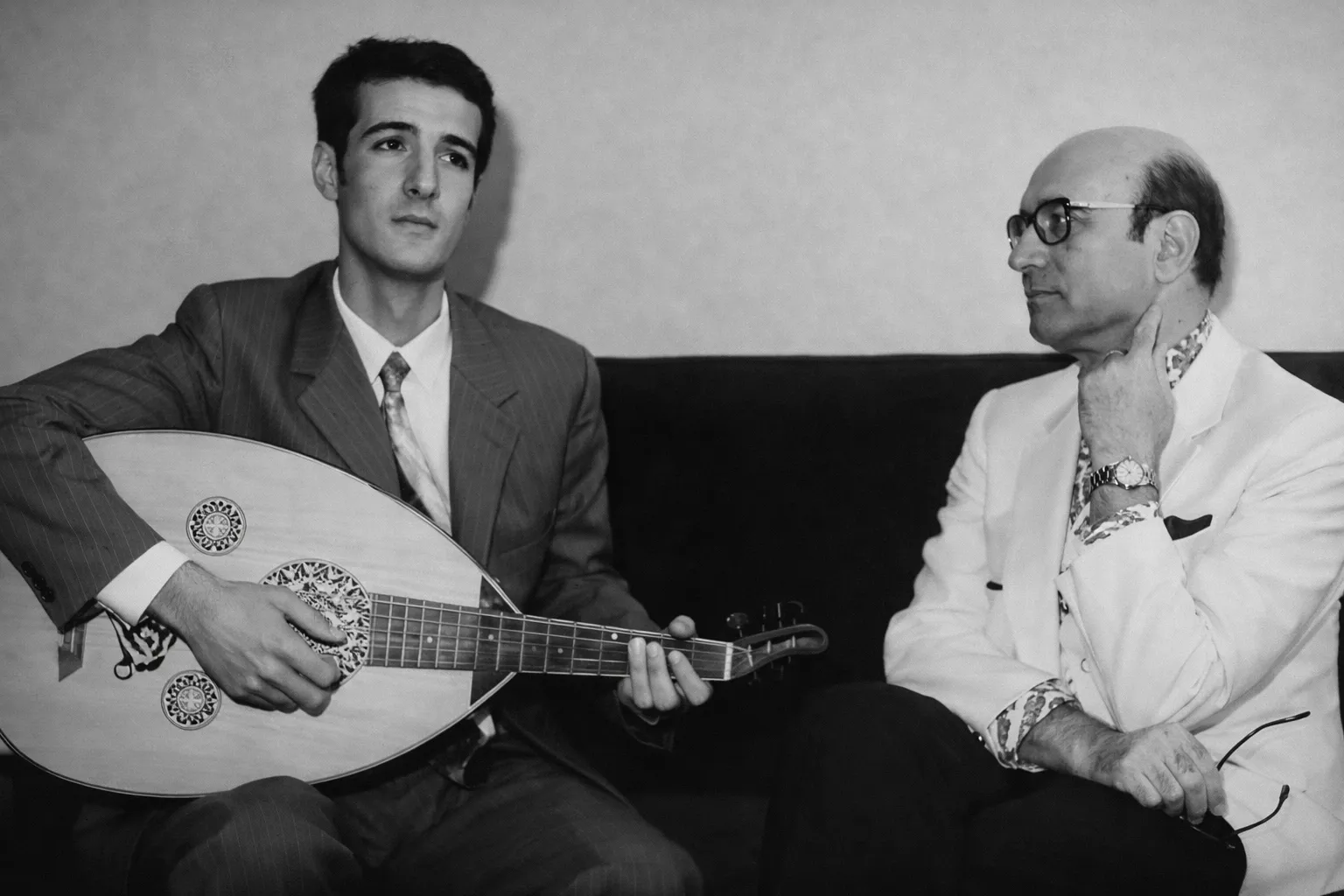
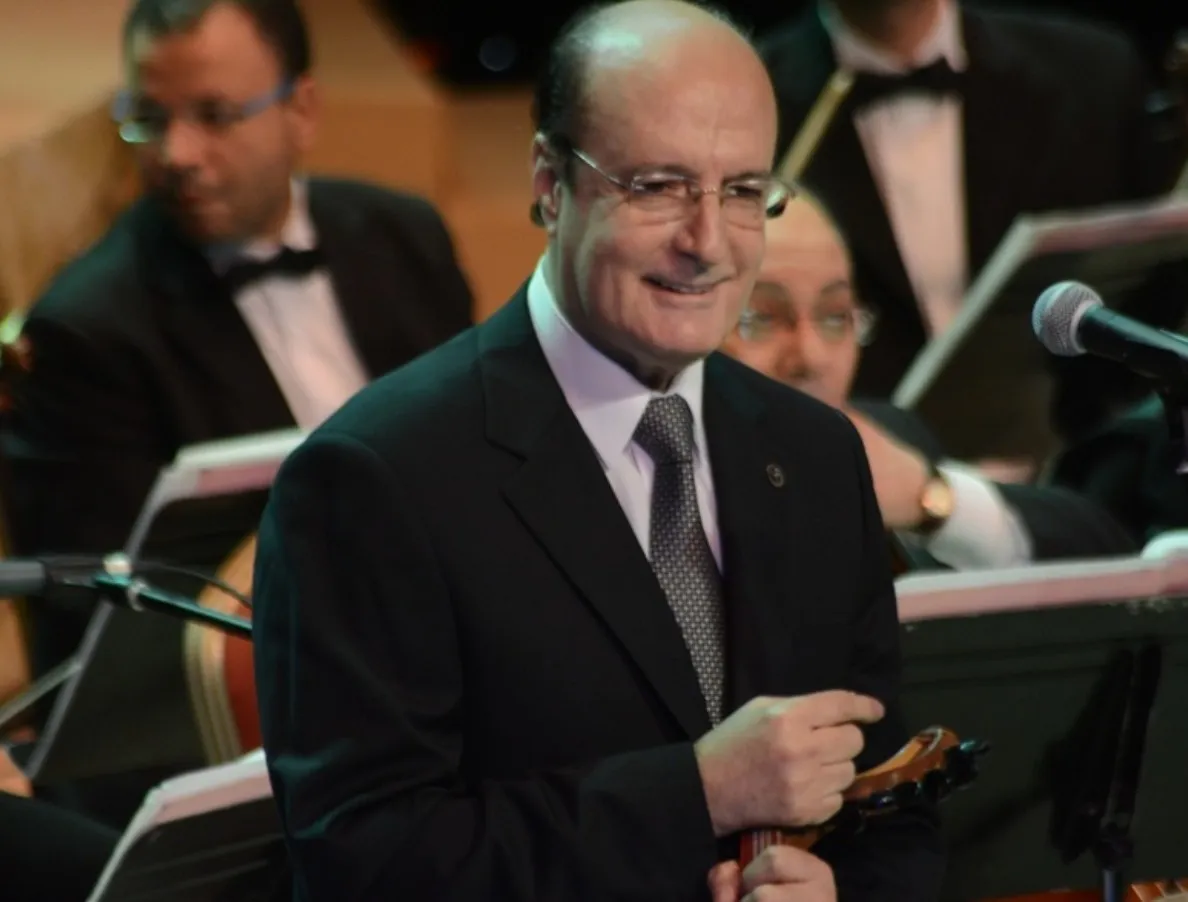
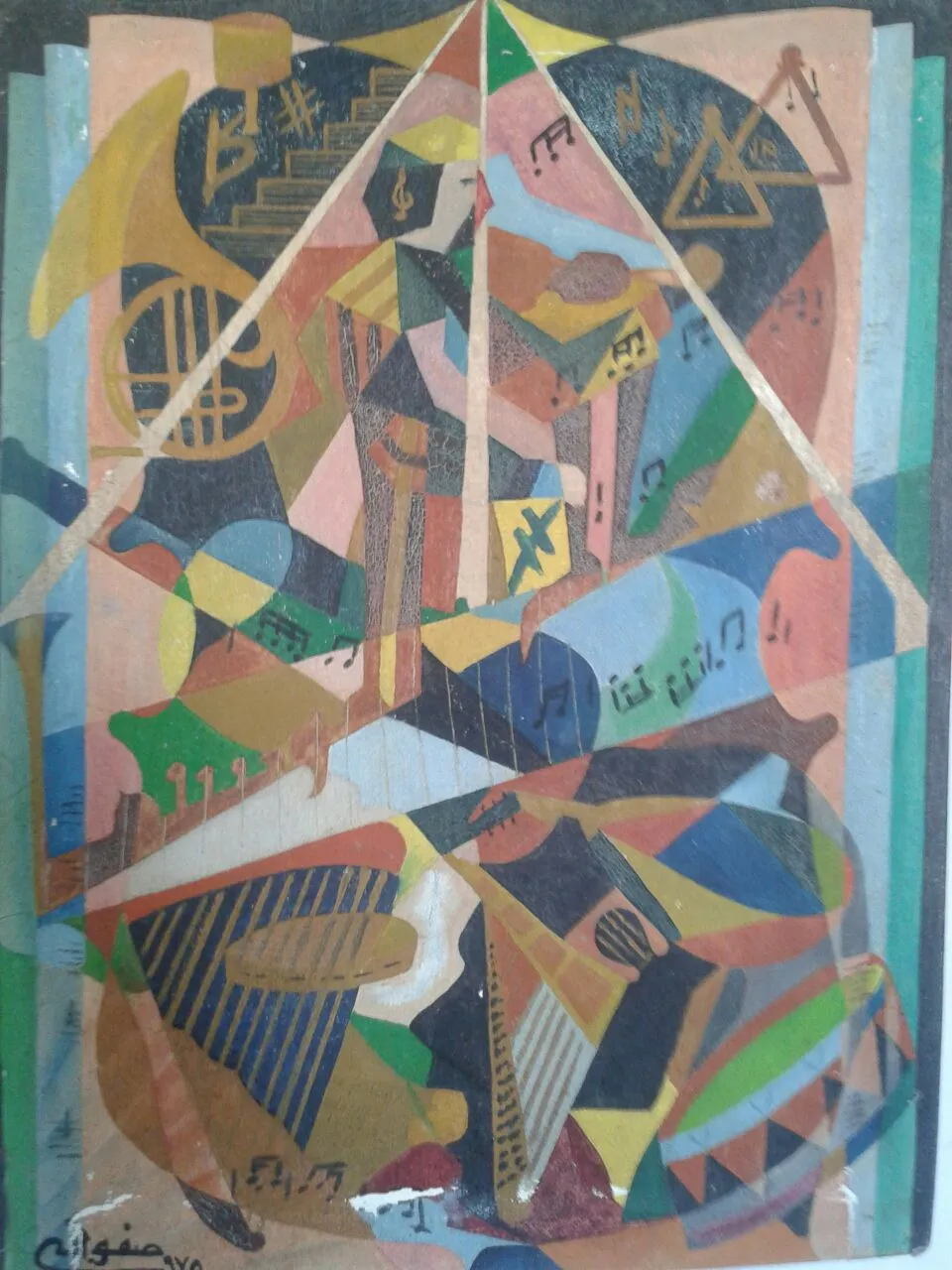
The Arab press nicknamed him "the rare coin" and "pure gold." Alongside composing and singing, he writes poetry and paints.
The Full Chronology
Born on Arwad
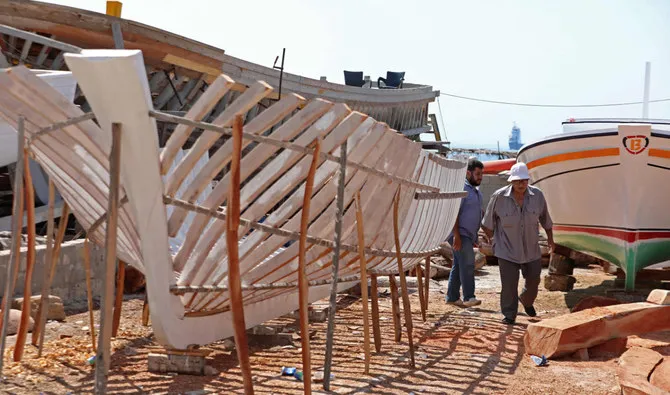
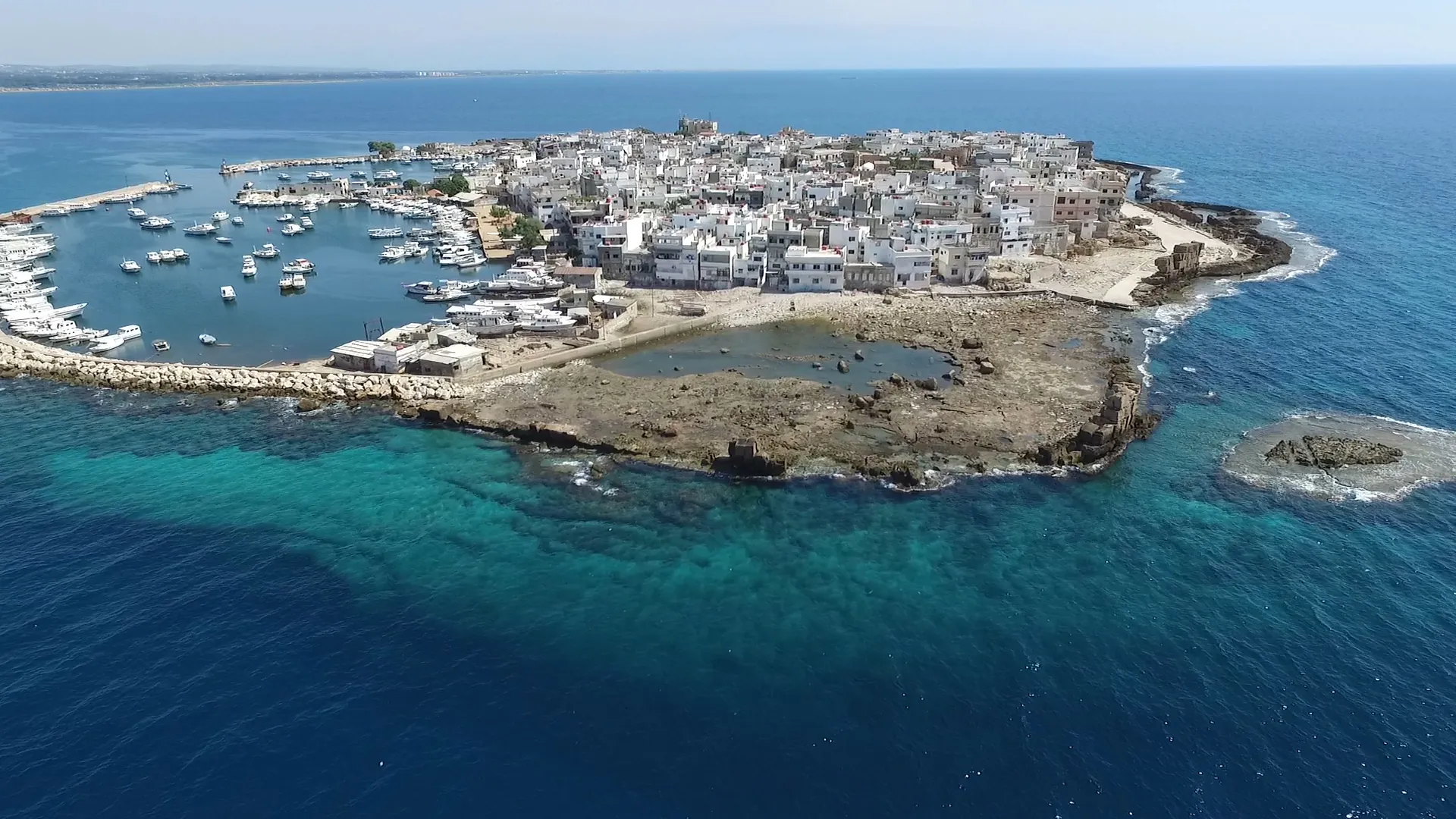
Safwan Bahlawan was born on Arwad Island — the world's smallest inhabited island (20 hectares) off the coast of Tartous, Syria. His father Ibrahim Bahlawan was a shipbuilder on Arwad's shore, among Syria's last traditional Phoenician boat-builders.
The Oud in Two Weeks
At age 13, he received his first oud. He mastered it in just two weeks. Within one year, he entered a competition on Syrian Television against professional adults — and won first place.
Damascus Radio
Won first place again in an amateur competition organized by Damascus Radio.
East Meets West
Studied at the Arab Music Institute in Cairo and in Germany under composer Henrik Fendsh — studying opera, harmony, and orchestration. One of the very few Arab musicians who holds full mastery of both Eastern and Western classical traditions.
Best Arab Voice
Awarded "Best Arab Voice" at the Carthage Festival in Tunisia.
Meeting Abdel Wahab
Met Mohamed Abdel Wahab in Chtaura, Lebanon. Sang "Al-Hawa Wal-Shabab" and "Ya Law'ati Wa Shaqaya" before him. A tear fell from Abdel Wahab's eye. He said: "A beautiful voice that reminds me of my youth." Bahlawan considered that tear his artistic birth certificate.
Front of Glory — The Masterwork
Composed "Jabhat al-Majd" (Front of Glory) — a poem by Iraq's greatest 20th-century poet, Mohammad Mahdi Al-Jawahiri. Sung by Mayada El-Hennawy with the Cairo Symphony Orchestra (100+ musicians and choir), from which an excerpt was taken to become the signature theme of the official Syrian television news bulletin for 13 consecutive years.
Damascus Sword Medal
Awarded the Damascus Sword Medal in recognition of his artistic career.
Cairo Opera House
Began a series of concerts at the Egyptian Opera House as part of the Arab Music Festival. Critics said he received a welcome no other Arab artist had ever received in the Arab art capital.
Abdel Wahab Centenary — Cairo
Performed a centenary concert marking 100 years since Mohamed Abdel Wahab's birth at Cairo Opera House. After that, he continued to be invited to present the celebration every year, and his tickets sold out quickly because of the heavy demand.
Royal Opera House Muscat
Performed at the Oud Festival at the Royal Opera House in Oman, and recorded a live concert with Germany's NDR Bigband jazz ensemble. Returned to the festival in 2012 and 2015.
Cairo Honor
Honored by the Egyptian Ministry of Culture and Cairo Opera House. Inaugurated the Arab Music Festival in Cairo.
Secret Resistance Songs
Composed "Land of Jasmine" in secret and kept it hidden. Years earlier, he had written and composed "The Syrian People Are One" to counter sectarian incitement. Refused for years to compose songs glorifying the Assad regime.
Abdel Wahab Tribute — Cairo
Performed at Cairo Opera House for Abdel Wahab's 120th birthday anniversary. Conducted by Maestro Salim Sahhab. Sold out immediately.
The Legendary Concert — Damascus
On November 28, 2024, his Symphony of the Captain and the Storm was performed in Syria for the first time — 37 years after its composition — by the Syrian National Symphony Orchestra conducted by Maestro Misak Baghboudarian. Bahlawan called it "a legendary concert."
Fall of the Regime
After Assad's fall in December 2024, he wrote: "I was certain this day would come, and I had composed this poem (Land of Jasmine) so I could release it on this day." He had also written and composed "The Syrian People Are One" 14 years before the fall.
Major Works
Symphony of the Captain and the Storm
Performed by the Berlin Symphony Orchestra. Included in their permanent winter program. Performed in Berlin, Cairo, and Damascus.
Ugarit Symphony
Inspired by the ancient Ugaritic civilization — the first to produce an alphabet.
Abraham's Call to Prayer
A large-scale symphonic work, still in manuscript and not yet performed, inspired by the Qur'anic verse on Abraham's call to the pilgrimage.
Front of Glory (Jabhat al-Majd)
Poetry by Mohammad Mahdi Al-Jawahiri. Sung by Mayada El-Hennawy with the Cairo Symphony Orchestra. An excerpt from it became the signature theme of the official Syrian television news bulletin for 13 years.
Land of Jasmine
Composed secretly in 2015, released after Assad's fall in December 2024.
The Syrian People Are One
Written and composed 14 years before Assad's fall.
Awards & Honors
Best Arab Voice Award
Carthage Festival — Tunisia
Damascus Sword Medal
Golden Key of Alexandria
Mediterranean Song Festival
Honors from the Egyptian Ministry of Culture and Cairo Opera House
On multiple occasions
Inauguration of the Mohamed Abdel Wahab Museum
Arab Music Institute in Cairo (formerly the Fouad I Institute)
Honored at Abdel Wahab's Centennial
Morocco
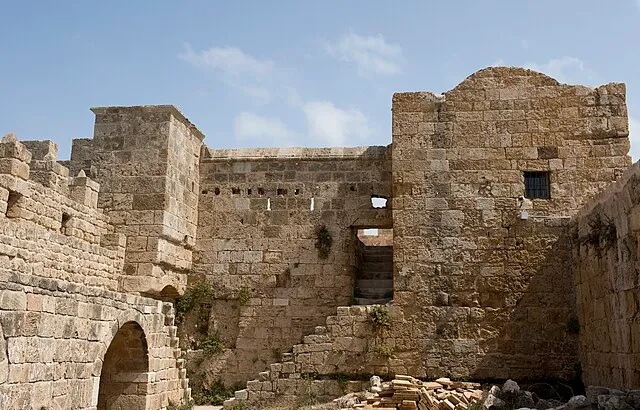
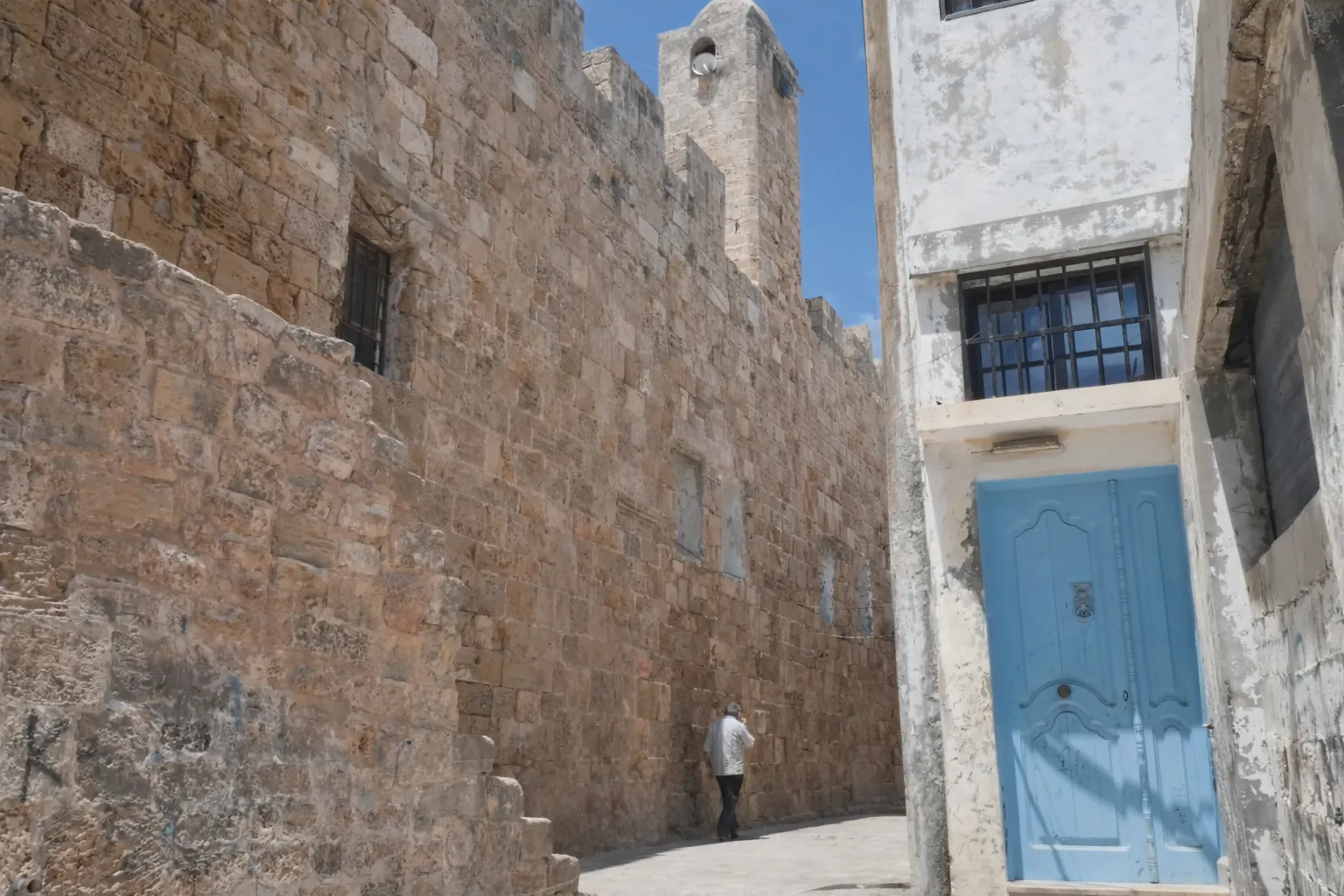
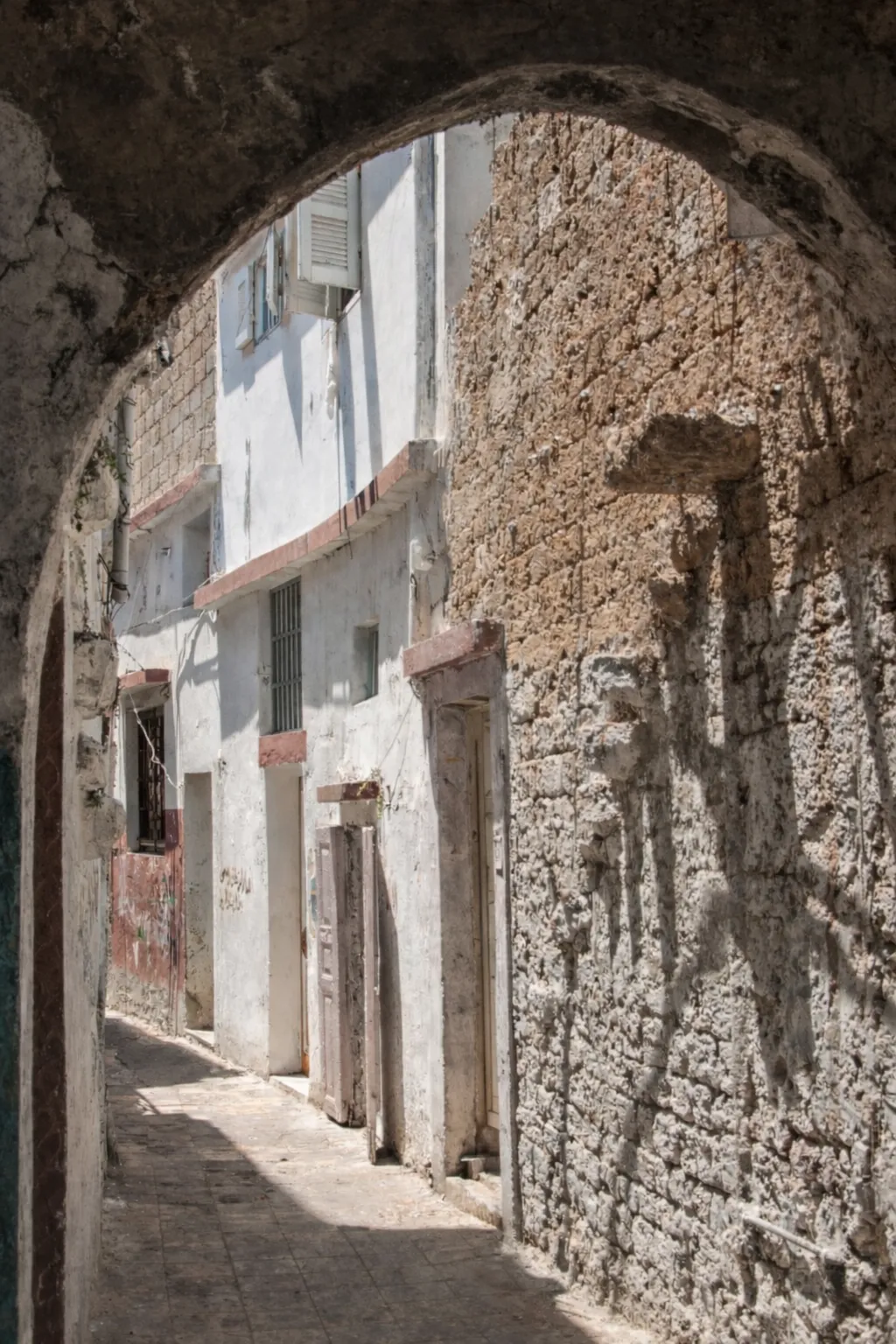
Arwad — The Island and the Memory